Before the First Carer Arrives: A Room-by-Room Home Readiness Review
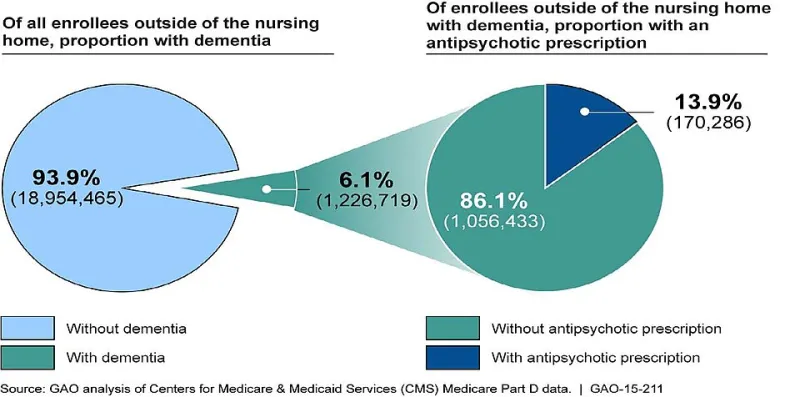
Photo: U.S. Government Accountability Office from Washington, DC, United States, Public domain, via Wikimedia Commons
Home care rarely begins with a dramatic moment. More often, it starts with a family noticing that the house which has always felt familiar now poses small, daily questions. Can Mum reach the kettle safely? Is Dad steady on the stairs after dark? Would a carer have somewhere sensible to put a coat, a folder or a pair of gloves? In November 2026, with shorter days and wet pavements, those questions become more pressing.
A room-by-room readiness review is not an inspection of a parent’s housekeeping, nor a judgement about independence. It is a calm conversation about how the home will work when paid carers are part of the week. The aim is not to make every room look clinical. It is to identify the handful of changes that let care be delivered safely, comfortably and with dignity.
Begin at the front door
The first assessment happens before anyone steps inside. Is the path clear, well lit and free from loose paving? Does the doorbell work, or can a carer knock without difficulty? If a key safe is used, check that the code has been tested recently and that the box is positioned where a carer can reach it without stretching or crouching. A named hook for keys inside the hall is a small detail that prevents daily confusion.
Carers also need to know which entrance to use and whether there are pets, steps or security arrangements to consider. This is not merely a matter of access. A clear, agreed entry routine protects dignity and reduces the chance of a carer arriving at the wrong door or feeling uncertain about whether to ring the bell.
Hallway and stairs
The hallway is often overlooked because it is a passage rather than a room. Yet it is where coats, shoes, bags and post accumulate. Look for rugs that slide, trailing cables, narrow walkways and lighting that is dim at the bottom of the stairs but bright at the top. A banister should be firm along its full length, and light switches should be reachable at both ends of the staircase.
If a stairlift is being considered, measure the space now rather than after installation is urgent. If stairs are becoming difficult, discuss with an occupational therapist whether a downstairs sleeping arrangement or a different route would be safer. The goal is not to remove every challenge from the home. It is to remove the challenges that make a fall more likely.
Living room
The living room usually holds the chair a parent uses most. Is it easy to rise from, or does it require a push that is becoming less reliable? Is there a side table within reach for a drink, glasses, telephone and remote controls? Are lamps positioned so that the room can be lit without crossing it in the dark?
Check the route from the chair to the door, the bathroom and the kitchen. A coffee table that looks attractive may become an obstacle when someone is using a walking frame. Heating should be adequate but not excessive, and an emergency exit should remain clear. Small adjustments, such as moving a favourite chair closer to a window or replacing a worn rug, can make a room feel more capable without making it feel altered beyond recognition.
Kitchen
The kitchen raises questions of both safety and independence. Can the carer prepare a simple meal without moving stacks of pans? Are frequently used items stored between shoulder and knee height? Is the fridge clean and working reliably, and is food labelled so that a carer can see what is fresh? A microwave at worktop height may be more useful than one above head height.
Consider how washing up, bin emptying and food shopping will be managed. If a parent has always been particular about the kitchen, say so in the care plan. A carer should know whether to wash up immediately, where cleaning products are kept and which appliances should not be used without supervision. Sharp knives, hot pans and kettles deserve a specific conversation rather than an assumption.
Bathroom
The bathroom is usually the room that requires the most honest review. It is also the room where people are most reluctant to accept change. Look at the bath mat, the toilet height, the shower step, the lighting and the lock on the door. A grab rail beside the toilet or bath may be more welcome than a full bathroom refit, but it must be fitted properly and at the right height.
A shower chair, a non-slip mat and a handheld shower can make a substantial difference. Good ventilation matters, as does a clear space for continence supplies and a bin. If a carer is to assist with washing or dressing, the bathroom door should allow privacy to be managed sensibly. Ask the parent what would help them feel secure rather than simply announcing a list of changes.
Bedroom
At night, the route from bed to bathroom becomes the most important path in the house. A plug-in night light, a clear floor and a bedside lamp within reach are simple starting points. Check the height of the bed and whether bedding can be changed without strain. If a commode or urinal is used, where will it be stored and cleaned?
Clothing should be arranged so that a carer can help without searching through crowded wardrobes. If medication is kept in the bedroom, it should be stored securely and according to the care plan. The bedroom should remain a place of rest, not an overflow storage room for equipment.
Space for equipment and records
A care package needs a modest amount of infrastructure: a folder for the care plan and contact details, a charger for a mobile phone, personal protective equipment, perhaps a hoist or standing aid in time. Identify a corner or spare room where these items can live without cluttering the main rooms. A simple care folder kept in an agreed place helps every carer and family member work from the same information.
Turn the review into a short action plan
After walking through the home, divide observations into three lists: changes needed before care begins, changes to make within the first month, and things to monitor. Involve the parent in deciding what happens first. Where structural changes are needed, speak to the local authority, a landlord or an occupational therapist rather than relying on guesswork.
A home does not need to be perfect to receive care. It needs to be understood. A thoughtful room-by-room review gives carers and families a shared picture of what works, what needs attention and what should be left alone.