Food That Feels Like Home: Getting Faith and Culture Right in Care Meals

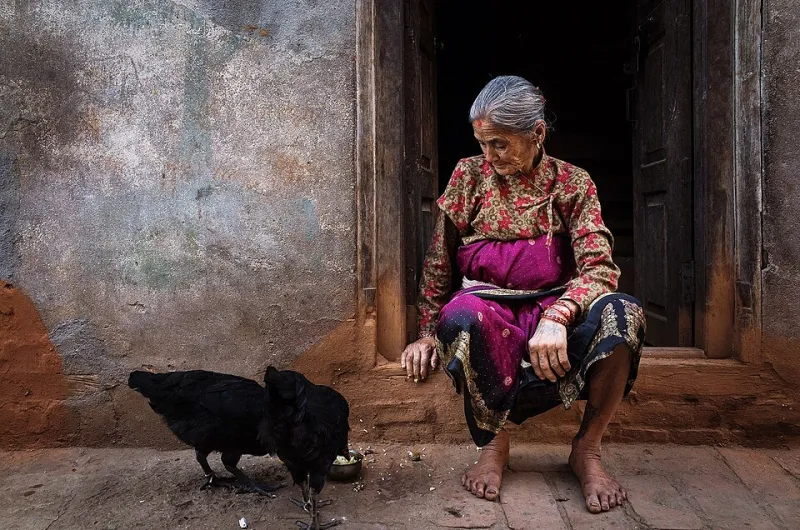
Photo by Photo by Cuong Nguyen on Unsplash on Unsplash
The meal as a statement of identity
A person who has eaten in a particular way for eighty years does not stop having those preferences because they have become frail. When a care visit begins with a meal that feels unfamiliar, the effect is rarely limited to appetite. It can read as a small, repeated message that the household is no longer theirs to govern.
Good home care takes food seriously as a matter of dignity as well as nutrition. That means asking rather than assuming, briefing carers properly, and holding both cultural requirements and clinical safety in view at the same time.
Begin with the household, not the label
Labels are useful shorthand and poor substitutes for a conversation. "Halal" may mean only certified meat, or it may extend to avoiding certain E-numbers, alcohol in flavourings, or shared utensils. "Kosher" may mean a fully observant kitchen with separate pans and draining boards, or a preference for vegetarian food when eating away from home. "Vegetarian" may exclude fish for one person and include it for another.
A short, structured conversation at the outset is more valuable than any tick-box form. Useful questions include:
- Which foods are essential to you, and which are simply preferred?
- Are there foods you avoid, and does that apply to ingredients, preparation methods or equipment?
- Who normally cooks, and would you like them to continue where possible?
- Do you fast, and on which days? Does your GP or faith leader know?
- Are there festival periods when meals are shared or when the pattern of the day changes?
Record the answers in the care plan in the person's own words where you can. A phrase such as "no pork, no alcohol in cooking, fish on Fridays" tells a new carer more than a category heading ever will.
Briefing carers without making assumptions
There is a real risk in both directions: assuming a person's needs from their name or background, and ignoring a need because a previous client from a similar background did not have it. The discipline is the same as elsewhere in care — ask the individual, write it down, and check it has been understood.
Practical briefing should cover purchasing, preparation, storage and serving. Which shops locally sell the right products? Is there a specialist butcher or grocer within reach? Are separate chopping boards needed? Is a particular oil, fat or stock used? Will the person want to say a blessing, and would they prefer a carer to wait quietly rather than leave the room?
Some providers hold short cultural-awareness sessions for staff; these are worthwhile, but they cannot replace household-specific instructions. A carer who has been told exactly what this kitchen requires will get it right more reliably than one who has attended a general presentation.
Fasting, festivals and the medication question
Ramadan, Lent, Yom Kippur, Ekadashi, Navratri and numerous other observances involve changes to eating and drinking. For an older person with diabetes, heart failure, kidney disease or a complex medicine regimen, these changes carry clinical risk.
Families should encourage a conversation with the GP or practice pharmacist well before the period begins, so that medicine timing can be adjusted and the person is clear about any grounds for exemption. Fasting guidance in most traditions explicitly permits those who are frail or unwell to abstain from fasting, and a care plan should record the decision without judgement either way.
During festivals, the practical tasks multiply: preparing larger quantities, sharing food with visitors, late meals, and richer dishes than usual. Carers can help by planning shopping in advance, managing leftovers safely and keeping an eye on hydration when the day is disrupted. Where a festival meal is central to the person's wellbeing, it is reasonable to build a visit around it rather than alongside it.
Nutrition and safety stay central
Respect for culture does not suspend clinical judgement. Three areas need particular attention.
Texture-modified diets. Where a person is on a modified diet — for example, soft or puréed food under the IDDSI framework following a swallowing assessment — the traditional dishes must be adapted rather than abandoned. A dietitian or speech and language therapist can usually advise on how to modify familiar foods, and this is far more effective than substituting bland alternatives the person will not eat.
Protein, energy and hydration. Some traditional diets, particularly during fasting or where the person has a small appetite, can become low in protein or fluid. Fortifying soups, adding full-fat dairy or prescribed supplements, and offering fluids in familiar forms such as tea, lassi or warm broth can all help.
Food safety. Reheating, cooling and storage rules apply equally to a slow-cooked stew and a ready meal. Home-made food prepared in bulk should be cooled quickly, refrigerated promptly and used within the recommended period.
Questions worth putting to a provider
When comparing home care services, families might reasonably ask:
- How do you record dietary, religious and cultural requirements, and how are they passed to a new or substitute carer?
- Are carers able to shop at specialist suppliers, and is there a budget for this?
- How would you handle a festival period that falls during a rota change?
- Will a dietitian or the GP be involved if a modified diet is needed?
- Can we meet the regular carers before the arrangement begins to talk through food properly?
Review, rather than assume
Food needs shift as health changes. A quarterly conversation — does this still feel right, is the shopping working, has anything become harder to prepare — catches small problems before they turn into weight loss or a refusal to accept help. The aim is not an elaborate arrangement. It is a plate that the person recognises, and a household that still feels like theirs.